
Music in SRPGs: The Musical Strategy Behind Tactical RPG Soundtracks

Like many people, I picked up gaming again during Covid. As a teenager, I played many JRPGs, and one of my favorite series was Super Robot Wars. Naturally, I returned to the newer titles, starting with Super Robot Wars T – part of the VTX trilogy – and got completely hooked. For the first time, I began imagining myself making music for video games.
After finishing the VTX series, I moved on to Fire Emblem: Three Houses, replaying almost all the routes (except Silver Snow). When Fire Emblem Engage was released, I played that as well. Early last year, I completed Triangle Strategy, saving the true ending for last, and most recently, I started with Tactics Ogre Reborn.
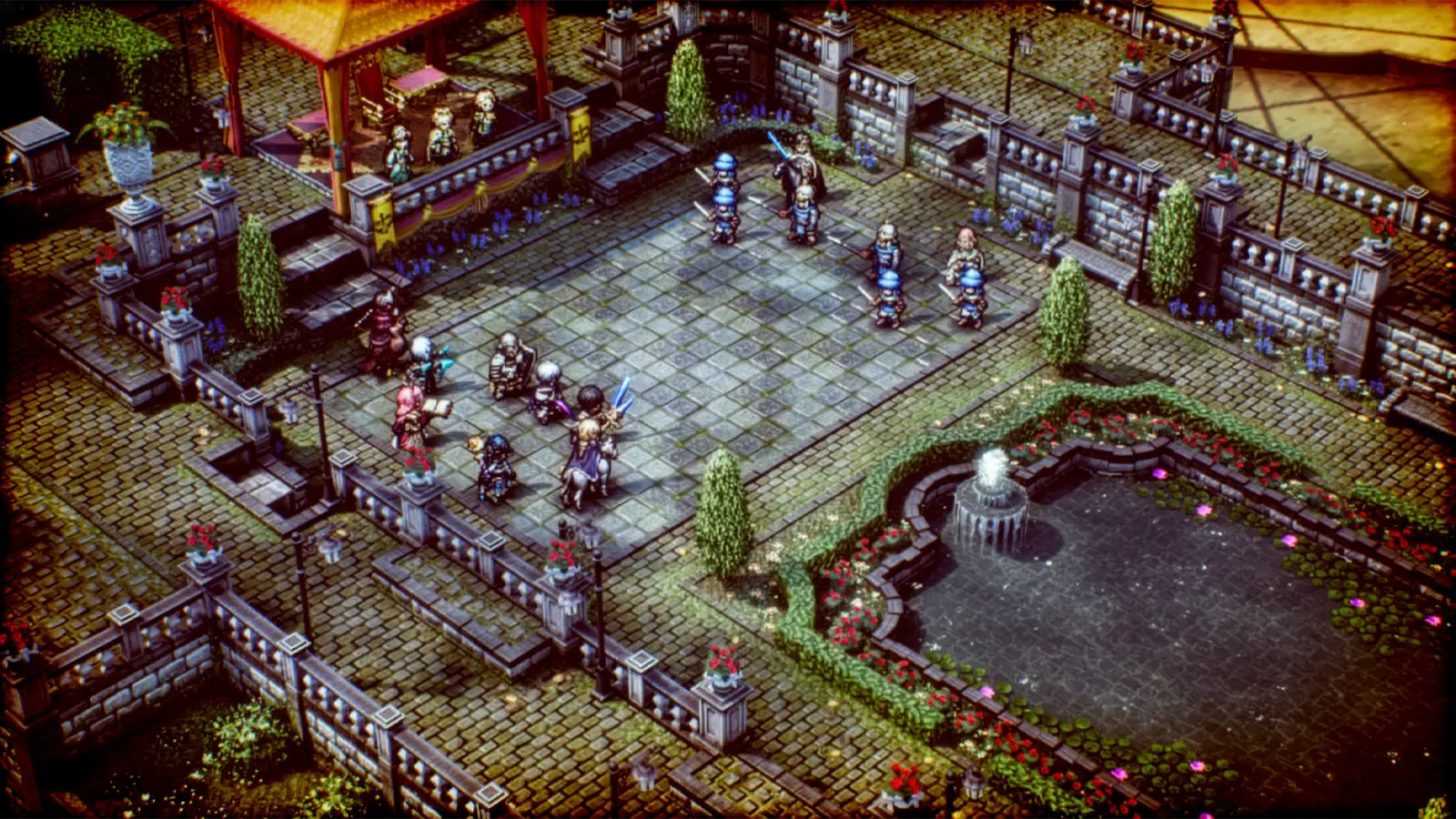
I love the world-building, characters, and political narratives of tactical RPGs, but I also enjoy the gameplay itself very much. Raising character stats, experimenting with classes, navigating strategic battles. Every SRPG (Strategy RPG, or Simulation RPG as it’s known in Japan and Korea) has its own systems and design philosophy, and discovering those differences is part of the appeal.
At the same time, I found myself paying closer attention to the music than ever before. These soundtracks carried me through long maps, tense decisions, and emotional story beats, lifting my mood during victories and moving me during tragic moments.
Tactical RPGs ask you to think several steps ahead, but underneath all that strategy is something deeply emotional. Characters face moral dilemmas, betrayal, quiet sacrifice. Music is what connects the logic to the feeling, turning battles cinematic, giving weight to decisions, and bringing warmth to the quieter moments.
As a composer and SRPG fan, I want to dig into what makes this music work so well, and share what I think others can take from it when crafting their own tactical worlds.
One small note: all screenshots are from my personal Korean-language playthroughs.
The Emotional Core: How Leitmotifs Shape the Story
One of the most powerful tools in SRPG music is the leitmotif, a recurring melody that anchors emotion and memory. These short musical ideas give identity to characters, factions, and ideals, tying the story together across hours of gameplay.
A leitmotif might begin as a gentle piano phrase on the title screen, then return as a sweeping orchestral theme in a decisive battle. What makes it powerful is how much meaning it can carry through variation alone. The same melody can feel like hope in one scene and grief in another, simply by changing the instrumentation or context around it.
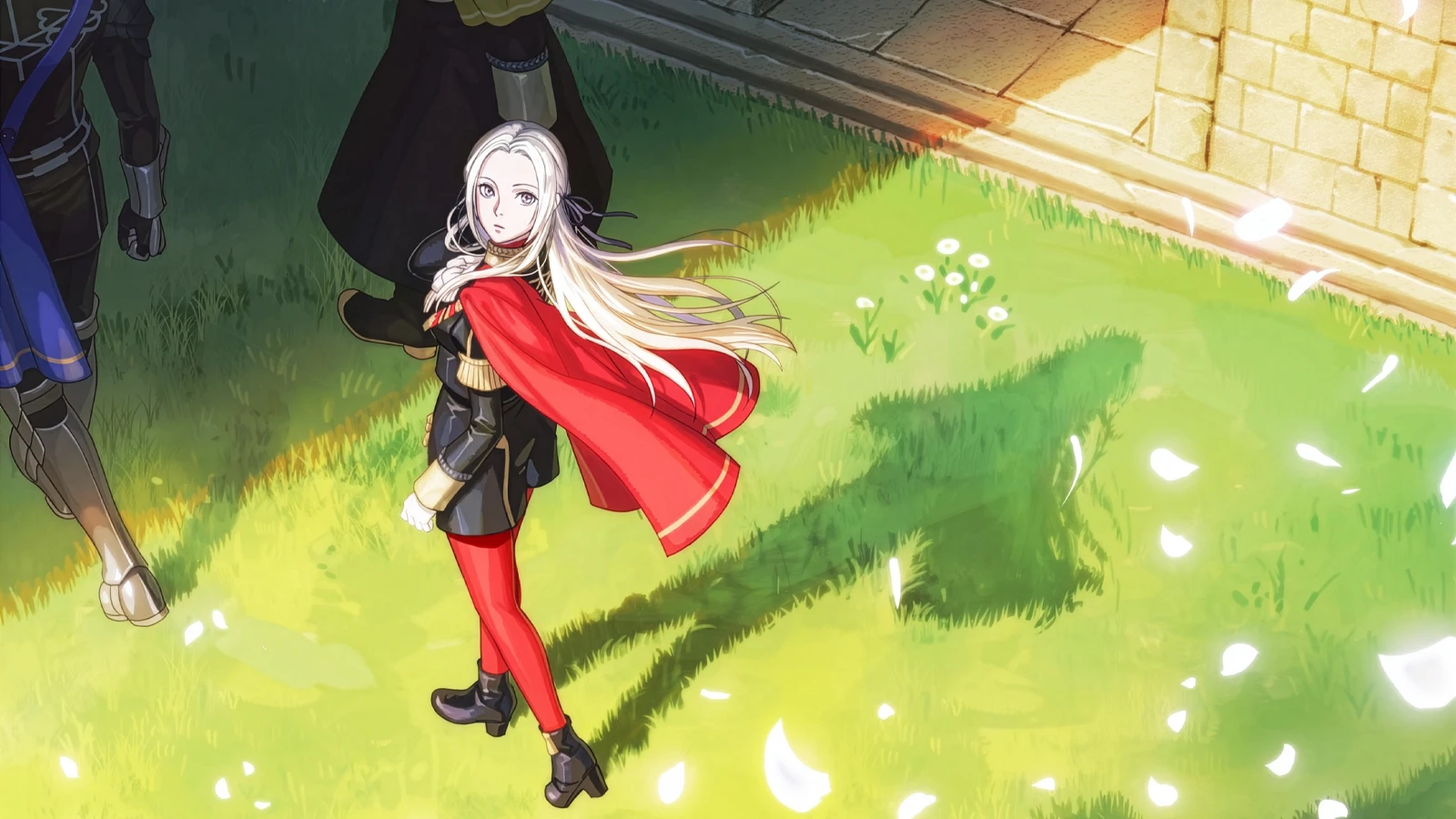
Fire Emblem: Three Houses demonstrates this beautifully. The melody of “The Edge of Dawn” threads through key scenes across the entire soundtrack, sometimes rearranged, sometimes hidden beneath other themes. Playing through multiple routes, I kept finding it woven throughout, and each time it landed differently depending on the context and what the story had put you through.
Before the Fight: Strategy and Preparation
Every SRPG player knows that moment before the fight begins. You’re scanning the map, checking inventories, second-guessing every unit placement. It’s quiet, but tension hums beneath the surface. The music here doesn’t shout; it holds its breath.
Pre-battle themes set the emotional stage. They carry focus and anticipation, sometimes hopeful, sometimes heavy. The music stays quiet and controlled, with a steady unobtrusive pulse that keeps you focused without pulling you out of your thoughts. That contrast is what makes the payoff so satisfying: when the battle theme finally strikes, it lands harder because the buildup has already done its work.
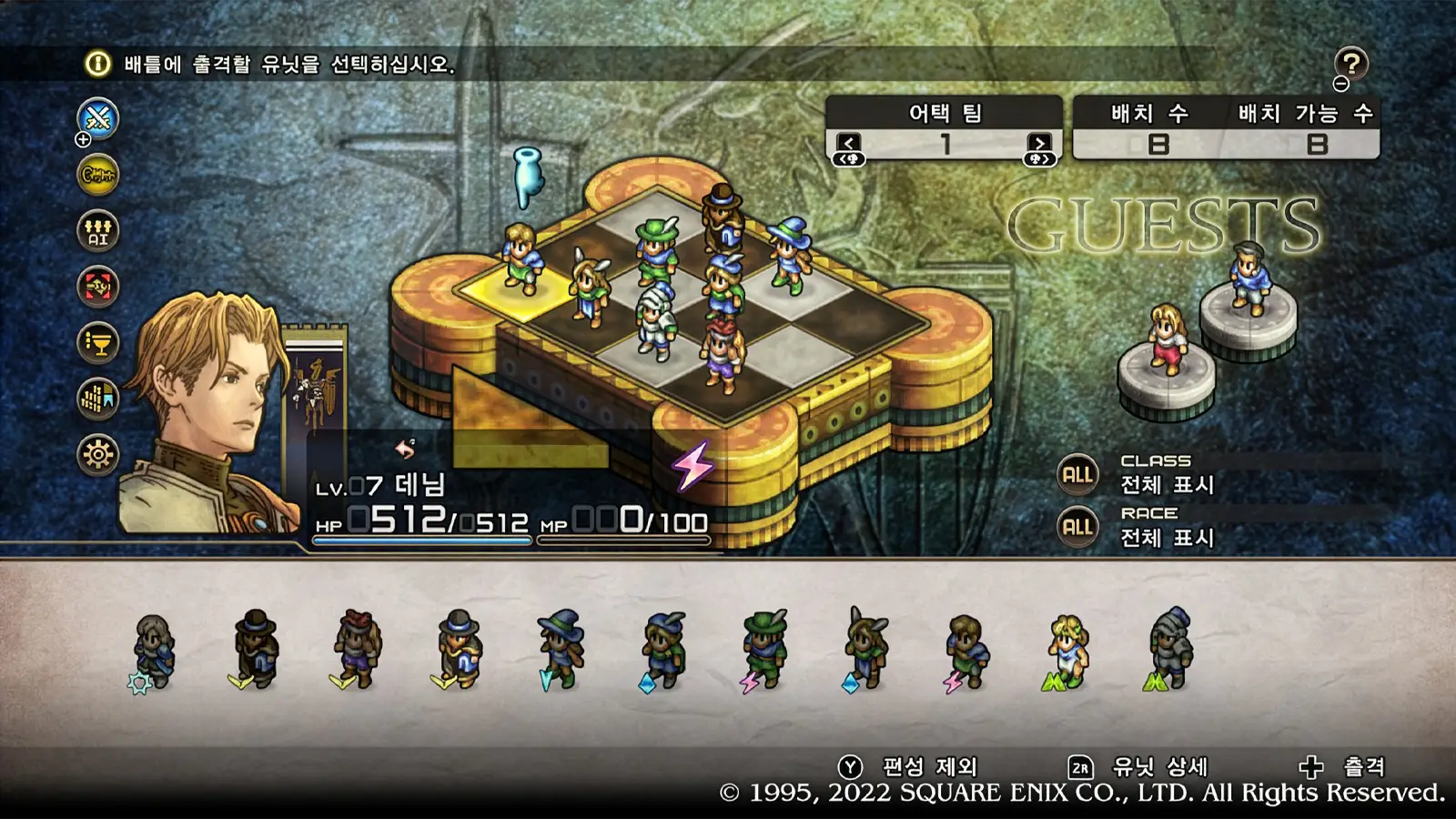
Triangle Strategy‘s “Arising, Warriors” builds in a romantic and epic way, giving players a sense of heroic weight before battle even begins. Tactics Ogre feels more urgent and crisis-driven, fitting perfectly with the pressure of its maps. In Fire Emblem Engage, the pre-battle themes are lighter and mood-boosting, helping players enter combat with clarity and energy. Even within a single game like Fire Emblem: Three Houses, the tone shifts over time: “As Swift As Wind” is light and almost less-troubled early on, while “As Fierce As Fire” grows heavier and more urgent as the story darkens.
The Heartbeat of Battle: Sustaining Tension on the Tactical Map
SRPGs don’t separate battle and field musically. The fight happens entirely on the tactical map, unfolding over dozens of turns, and the soundtrack has to carry players through all of it.
Good SRPG battle music walks a fine line: energetic enough to drive focus, yet controlled enough to let players think. The best scores breathe with the battle, building intensity as danger rises and pulling back during planning phases without ever losing momentum.
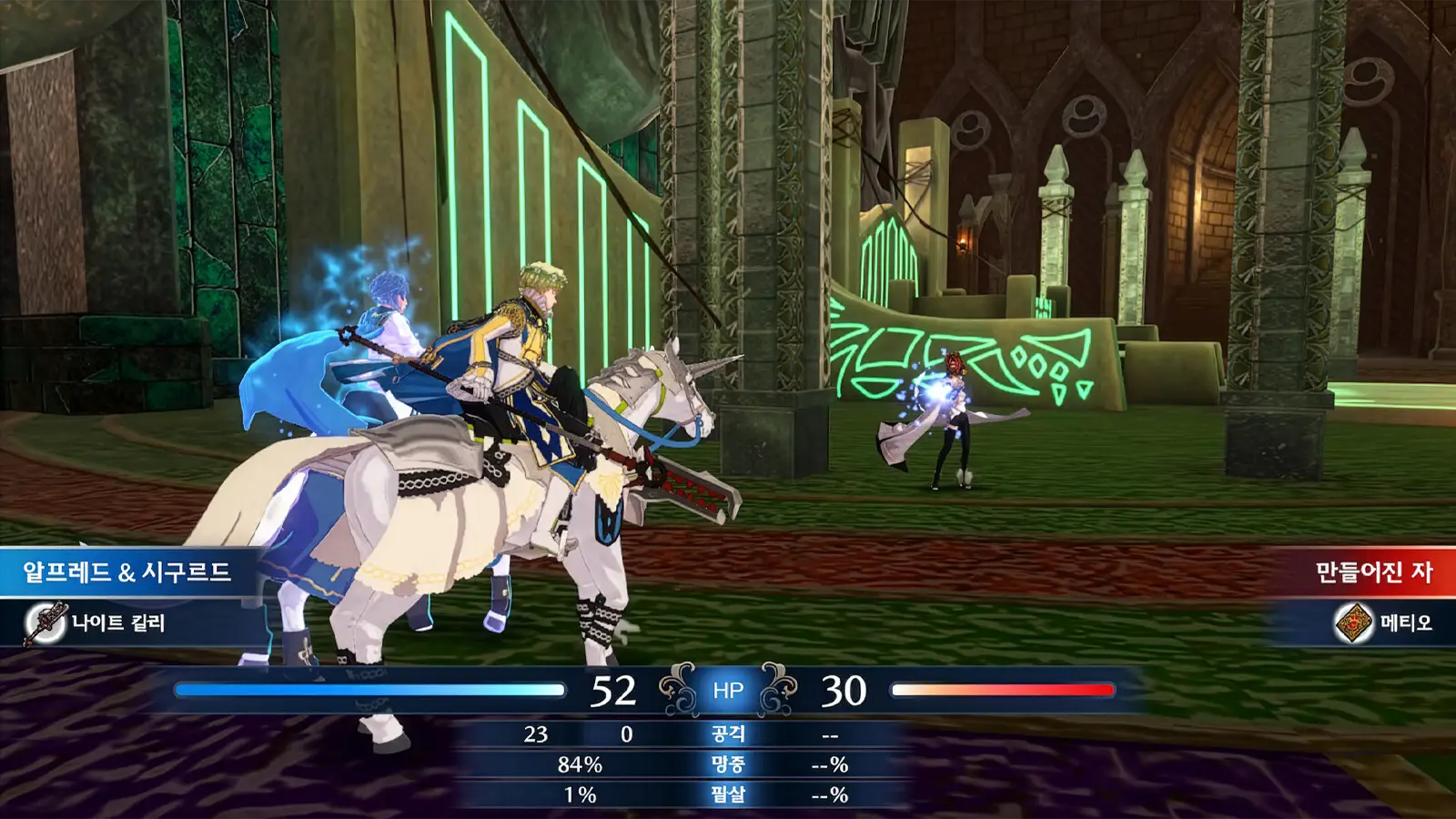
Many games take this further with adaptive layering, using multiple loop versions to reflect different phases of the map. The Fire Emblem series transitions seamlessly between its calm map theme and a more intense version when battle cutscenes kick in. Super Robot Wars swaps themes depending on which character is active or whose turn it is, adding another layer of urgency and personality to every exchange.
What sets SRPGs apart is how much the music has to sustain. Across dozens of turns, it needs to stay engaging without exhausting the listener, supporting strategic thinking while holding the emotional weight of the battle. At its best, it stops being background music and starts feeling like part of the fight itself. And this isn’t just within a single battle. Across a full game, the battle music itself shifts in weight and tone as the story progresses.
Between Battles: Camps, Shops, and World Exploration
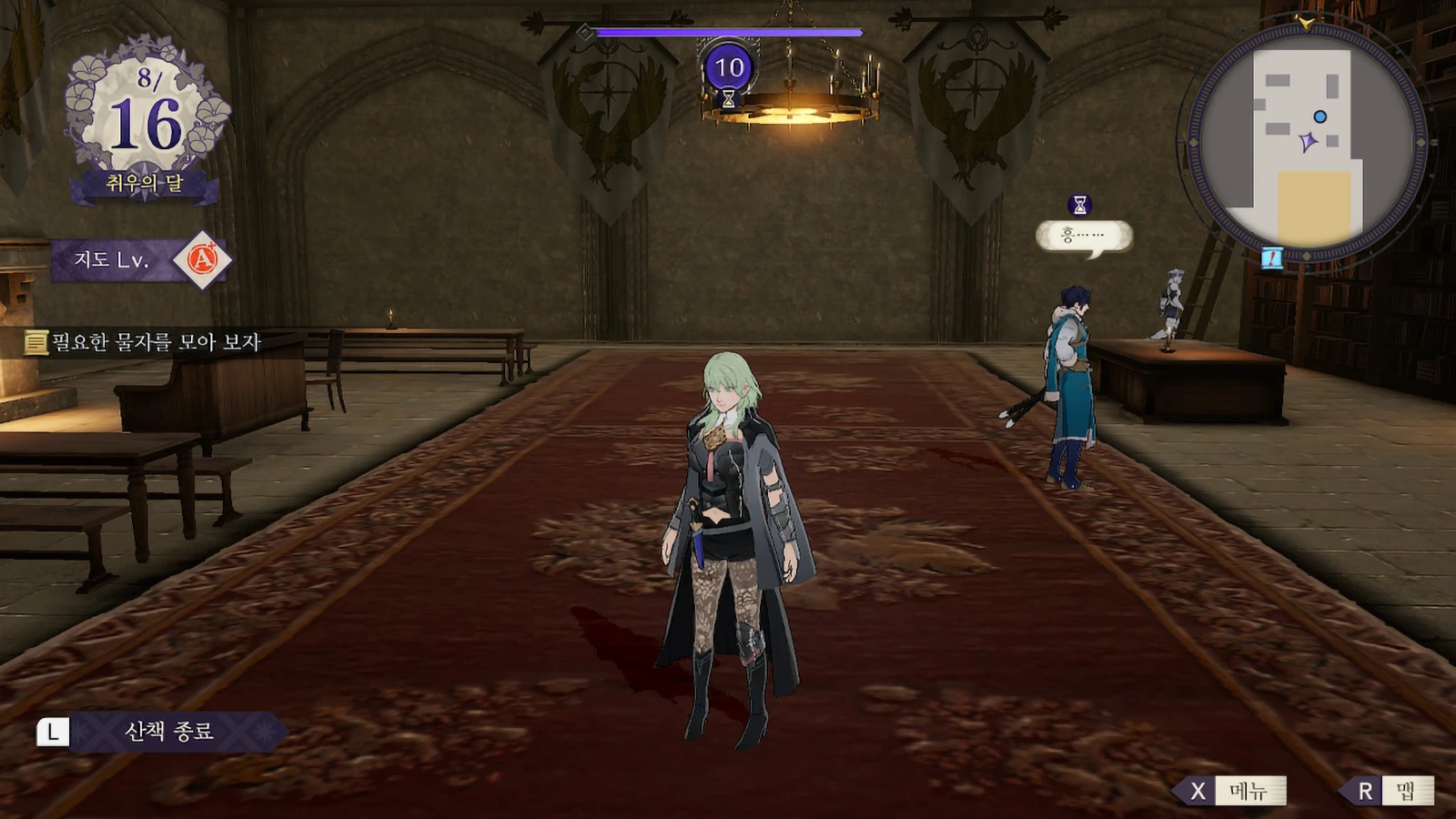
Not every moment in a tactical RPG is about life-or-death decisions. Between battles, players spend time in camps, towns, or on the world map, shopping, upgrading units, training, or simply connecting with characters. These spaces are just as important musically, offering a reflective pause after long stretches of tension.
Music here feels like an exhale after combat. Slower tempos, lighter instrumentation, and acoustic or folk-inspired tones create a sense of calm. A simple piano melody, gentle strings, or soft guitar signals that it’s time to breathe, think, and emotionally reset.
This downtime is psychologically essential. It lets the weight of previous battles sink in, gives space for story and dialogue to resonate, and prepares players for the next challenge. Building relationships through support conversations or exploring the world adds another layer, making the emotional impact of battles and decisions hit harder when you return to them.
The Emotional Arc Through the Journey
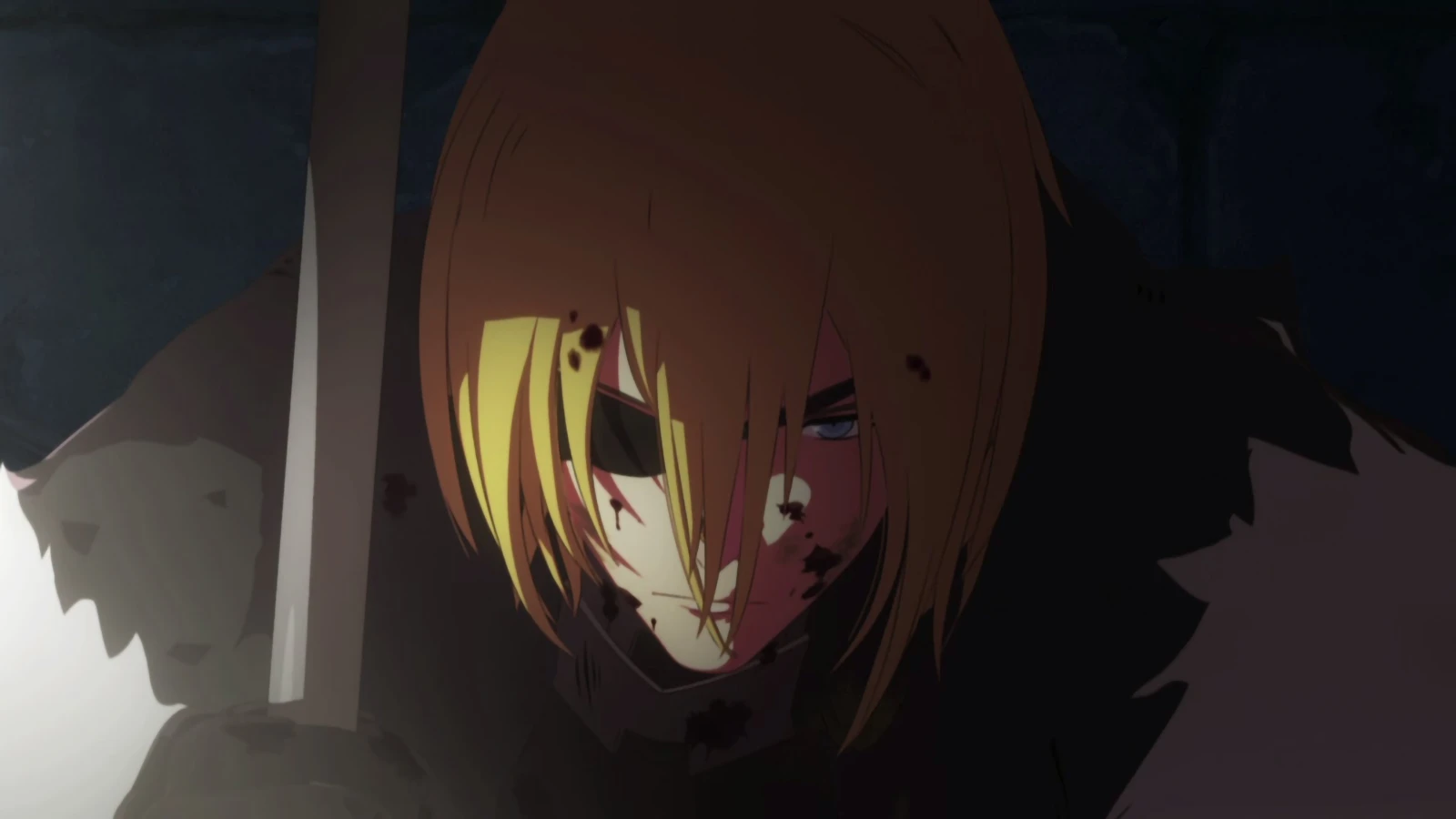
SRPGs are long journeys, often 30+ hours divided into chapters, routes, and major story arcs. The soundtrack mirrors that journey, evolving as the player’s experience deepens. Early friendships and optimism gradually give way to tension, loss, and impossible choices, and the music shifts with it.
This happens at every level. A cheerful protagonist theme might come back slower and quieter after a major loss, a faction motif might gain triumph or despair depending on the route you took. Dimitri’s return after the timeskip in Three Houses is one of those moments that tore me into tears. “Unfulfilled,” a sad iteration of the “Edge of Dawn” leitmotif, made it almost unbearable in the best way.
Battle themes that feel energetic and almost hopeful early on grow heavier and darker as the story demands it. By the final act, the music carries everything that came before it. In Three Houses, Engage, and Triangle Strategy, the main title theme finds its way into the final battle music, and the effect is immediate. You recognize it without thinking, and suddenly the weight of everything you’ve been through is right there in the melody.
Instrumentation and Sonic Palette: The Sound of Different Worlds
What gives an SRPG its musical identity goes beyond melody and motif. The choice of instruments, textures, and styles helps define the world, its factions, and the emotional tone of every scene.
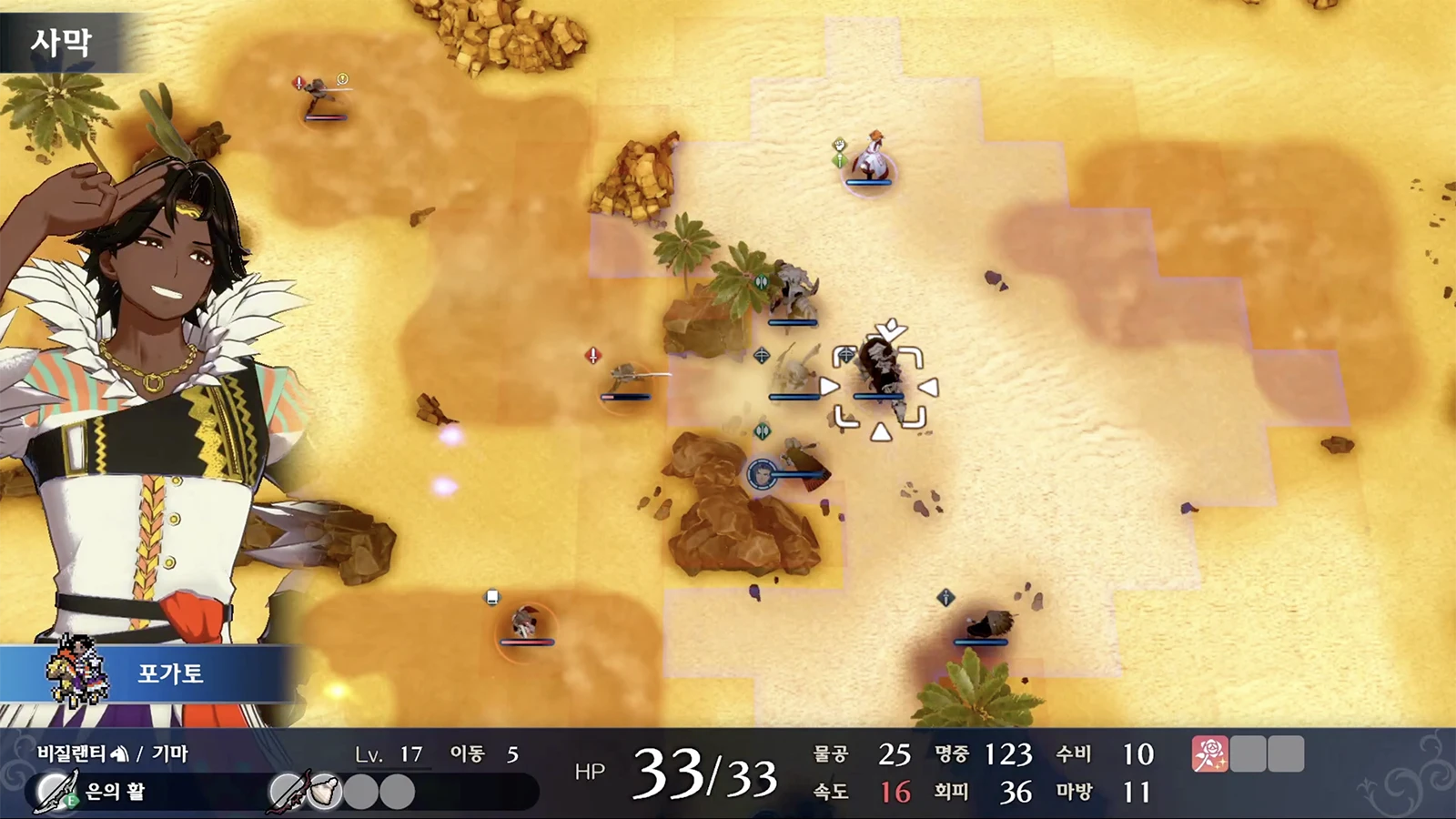
Traditional SRPGs often favor orchestral instrumentation. Sweeping strings, bold brass, and soaring choirs create grandeur and emotional scale. Regional instrumentation can give each faction a distinct sonic identity. Both Hyzante in Triangle Strategy and Solm in Fire Emblem Engage are desert regions with an exotic feel, but their sounds are distinct. Hyzante draws on a middle eastern-influenced sonic palette, its harmony and scale carrying something sacred and mysterious. Solm feels warmer and more grounded, with bright tribal percussion and sitar-like textures that give it an African and Indian vibe.
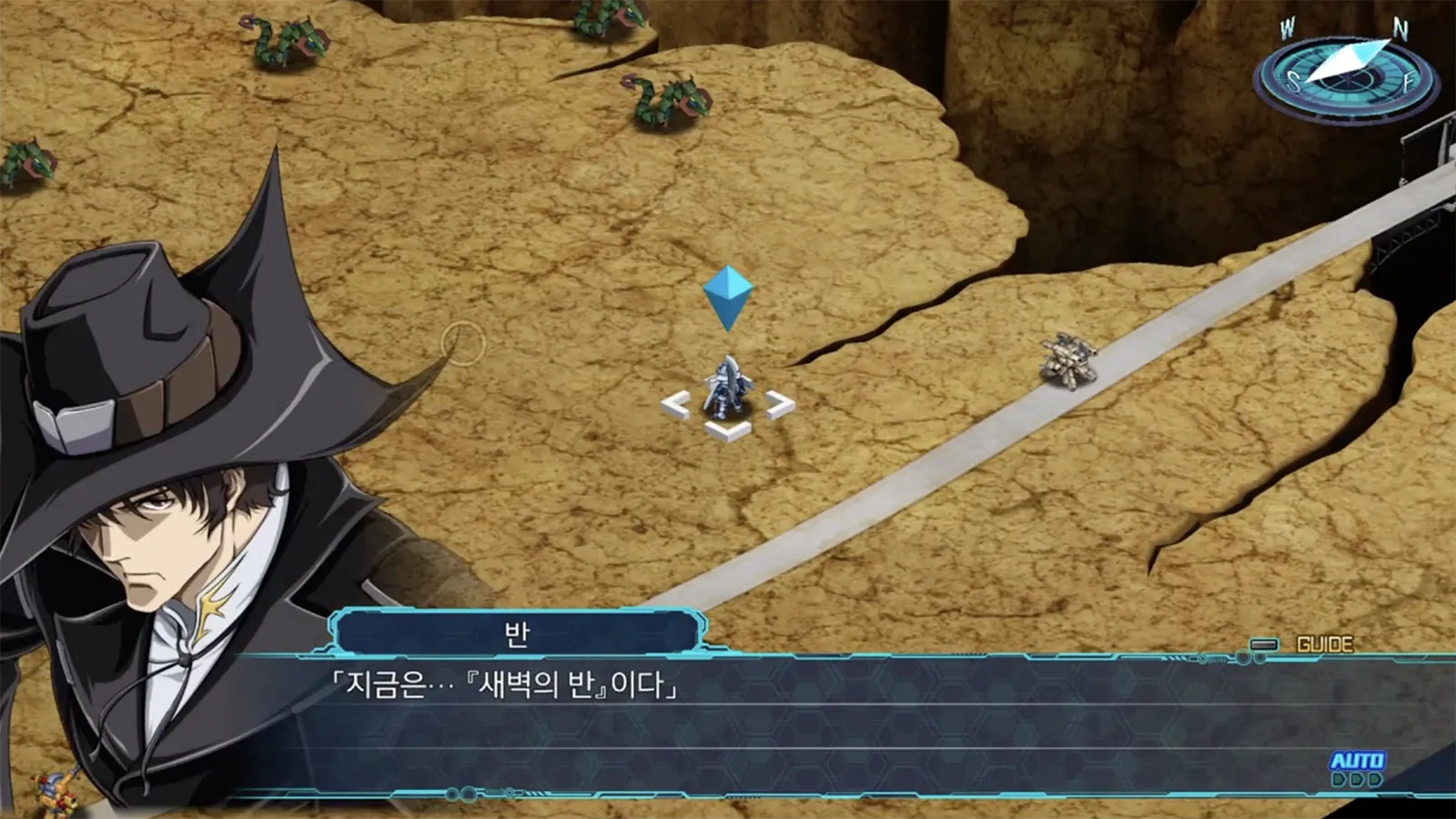
Modern tactical RPGs increasingly blend orchestral and electronic elements, incorporating everything from guitars and keys to synths and hybrid percussion to shape each game’s distinct sonic identity. Super Robot Wars is the clearest example I know, a love letter to mecha anime fandom that fuses military motifs with metal, jazz-funk, and licensed themes from a vast range of mecha series. There’s something uniquely nostalgic about a familiar anime theme kicking in the moment a beloved unit enters the battlefield, like an old hero answering the call. Persona 5 Tactica carries the cool, stylish jazz-funk identity of Persona 5 Royal into tactical territory, but the sound shifts subtly, taking on a more analytical, spy-like quality that fits the strategic mindset of the genre.
What SRPG Music Taught Me as a Composer
SRPGs live in the space between logic and emotion, where every turn is both a calculation and a feeling. Their soundtracks don’t just accompany the story, they are the pulse of it. From the quiet weight before a decisive move to the warmth of post-battle rest, music becomes the emotional rhythm that keeps players grounded through thought-driven gameplay.
As someone who loves both the genre and music, these are the principles that stand out to me, whether I’m analyzing a soundtrack or thinking about how I’d approach one myself.
1. Motif Consistency
Even two or three leitmotifs can tie an entire soundtrack together. Establishing them early and letting them evolve through the story is one of the most powerful tools in SRPG music.
2. Pre-Battle Anticipation
Pre-battle themes do more than fill silence. A controlled, unobtrusive pulse helps players sink into strategic thinking while carrying the emotional weight of what’s ahead.
3. Long-Form Battle Pacing
Battle music doesn’t need constant intensity to be effective. Well-crafted loops with subtle variations, and layers that shift between planning, combat, and crisis moments, sustain engagement across long maps without exhausting the listener.
4. Emotional Contrast in Downtime
The quieter moments between battles matter more than they seem. Slower tempos and lighter instrumentation in camps and safe zones give players breathing room while reinforcing story and character in ways that hit harder when the tension returns.
5. Narrative Evolution
The best SRPG soundtracks feel like a story arc of their own. Themes introduced early return transformed by the end, carrying everything the player has been through in a way that words alone couldn’t achieve.
6. Defined Sonic Palette
Instrument choices shape how a world feels before a single note of melody plays. Recurring timbres create cohesion while distinct regional sounds give factions and nations their own identity.
Closing Note
Writing this post reminded me why I started. Composing for SRPGs isn’t just something I think about anymore. It’s where I’m headed.
This is the first in a series where I’ll be going deeper, analyzing track by track under different theme types and what makes them work across the games I love. The first deep dive looks at SRPG main title themes, starting with Triangle Strategy and Tactics Ogre Reborn.
If any of this resonated with you, whether you’re a developer, a composer, or just a fellow SRPG fan, follow along. More is coming.
Subscribe to Gaming Composer

Get new posts, soundtrack analyses, and music insights straight to your inbox.
Related Posts


Previous
Next

Category

About Hynozia
Hi, I’m Hynozia. I create music for games and am a huge fan of JRPGs, especially SRPGs. In this blog, I share game music analysis from my favorite games, with tips and insights I’ve gained from them.